
Minor injuries can happen during routine activities, sports, cooking, or home projects. Knowing how to respond calmly and safely can help reduce discomfort and support faster recovery. Simple household supplies and careful actions are often enough to manage small cuts, bruises, burns, and scrapes effectively.
Stay Calm and Assess the Injury
The first step is to examine the injury carefully before taking action. A calm approach helps prevent panic and allows better decision-making.
- Check for bleeding, swelling, or redness
- Wash your hands before touching the injured area
- Make sure the person is sitting comfortably
- Remove nearby objects that may cause further injury
- Use clean materials during treatment
Small injuries usually improve quickly when handled with patience and proper care.
Cleaning Minor Cuts and Scrapes
Cuts and scrapes should be cleaned promptly to keep dirt away from the affected skin.
- Rinse the area gently with clean water
- Remove visible dust or debris carefully
- Pat the skin dry using a soft cloth
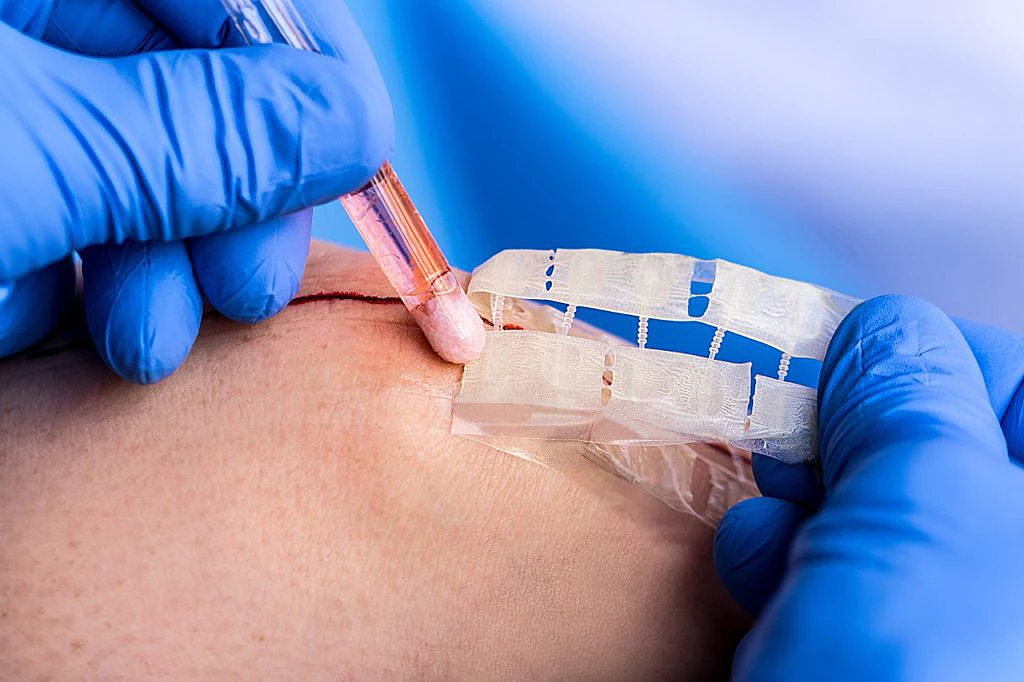
- Cover the area with a clean bandage
- Replace dressings daily to keep the wound fresh
Avoid rubbing the injured skin aggressively, as this may slow the healing process.
Managing Mild Bruises and Swelling
Bruises are common after bumps or falls. Proper care can help reduce discomfort and swelling naturally.
- Apply a cool cloth for short intervals
- Keep the injured area elevated if possible
- Rest the affected body part for a while
- Wear loose and comfortable clothing
- Drink enough water to support recovery
Most small bruises fade gradually within several days.
Caring for Minor Burns Safely
Small burns from hot surfaces or steam should be cooled quickly and gently.
- Run cool water over the burn for several minutes
- Avoid applying ice directly to the skin
- Keep the area clean and uncovered for a short time
- Use a light protective covering if needed
- Prevent friction against the sensitive area
Mild burns often heal well when treated early and protected from irritation.
Handling Small Sprains and Strains
Overstretching muscles or twisting joints can how to close a wound at home cause temporary discomfort. Rest and support are important for recovery.
- Limit movement for a short period
- Use a soft wrap for gentle support
- Elevate the affected area when resting
- Apply a cool compress occasionally
- Resume activity slowly and carefully
Simple stretching after improvement may help restore flexibility.
Helpful Household Supplies to Keep Ready
A small care kit can make injury management easier and more organized.
- Clean cotton cloths
- Bandages and adhesive strips
- Mild cleansing supplies
- Reusable cold packs
- Soft wraps and medical tape
- Small scissors and gloves
Keeping these items in one place allows faster response during unexpected situations.
Tips for Faster Recovery
Healthy habits support the body’s natural healing ability.
- Get enough rest each day
- Eat balanced meals with nutritious foods
- Keep injuries clean and dry
- Avoid picking at healing skin
- Monitor the area for steady improvement
Small injuries usually heal smoothly when treated with attention and consistency. Safe DIY care methods can provide comfort, encourage recovery, and help people feel more prepared to manage everyday accidents confidently.